


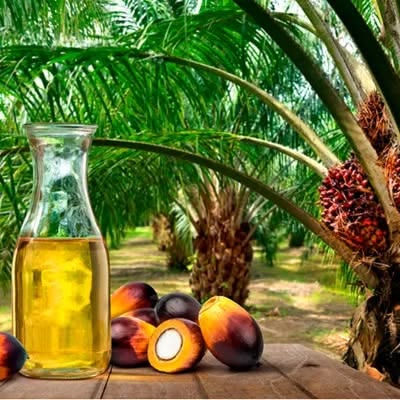
Higher overseas purchases reflect seasonal stocking and changing price competitiveness, highlighting India’s continued dependence on international edible oil suppliers.
India palm oil imports increased significantly in October 2026, reportedly reaching a 14-month high, while soybean oil purchases touched a record level, according to industry estimates reported by Reuters.
The increase comes as Indian refiners step up overseas procurement ahead of the festive season, while international price movements influence the choice between different edible oil varieties.
According to Reuters, citing estimates from five industry dealers, India’s palm oil imports in October were approximately 866,000 tonnes, an increase of around 6% from September. Soybean oil imports reportedly rose by 6% month-on-month to 653,000 tonnes, while sunflower oil imports more than doubled to approximately 223,000 tonnes.
Total edible oil imports were estimated at 1.74 million tonnes, representing a monthly increase of around 13%.
These October figures are industry estimates reported by Reuters and should not be treated as final government-reported import statistics.
Government Data Highlights India’s Import Dependence
India palm oil imports remain an important part of the country’s agricultural commodity trade, reflecting its dependence on international edible oil suppliers.
India’s dependence on overseas edible oil supplies remains a significant feature of its agricultural commodity trade.
According to the Department of Food and Public Distribution (DFPD), Government of India, the country imported approximately 156.55 lakh tonnes of edible oils during the 2023-24 oil year.
The government’s reported figures show domestic availability of approximately 121.75 lakh tonnes against total edible oil availability of 278.30 lakh tonnes. Imports accounted for approximately 56.25% of the country’s total edible oil availability.
This structural dependence makes international supply conditions, commodity prices, shipping costs and trade policies important factors for India’s edible oil market.
Government data for 2024-25 also identifies palm oil and soybean oil as major components of India’s edible oil import basket. Palm oil accounted for approximately 46.77% of major oil imports, while soybean oil represented around 30%.
The historical government figures provide context for the October 2026 buying trend, but do not independently confirm the latest monthly estimates.
Palm Oil and Soybean Oil Shape India’s Import Mix
Palm oil remains an important import commodity for India because of its widespread use in food processing, commercial cooking and other industrial applications.
India sources a substantial share of its palm oil requirements from Indonesia and Malaysia, two of the world’s major palm oil-producing and exporting countries.
Soybean oil is another important component of India’s import basket. International supplies from South American producers, particularly Argentina and Brazil, contribute to the country’s sourcing network.
The relative prices of palm oil, soybean oil and sunflower oil influence purchasing decisions by Indian refiners. Changes in international price differentials can shift demand between these commodities.
For importers, the landed cost is also influenced by freight rates, exchange-rate movements, import duties and availability from exporting countries.
Seasonal Demand Supports Overseas Procurement
The increase in October imports coincides with the period of higher domestic consumption associated with India’s festive season.
Refiners and importers may increase procurement to maintain inventory levels and meet expected demand from food manufacturers, distributors and retail markets.
The Reuters report also referred to concerns over domestic oilseed availability and possible weather-related risks as factors influencing buying decisions.
However, the impact of these factors on India’s final edible oil import requirements will depend on domestic production, international prices and subsequent procurement patterns.
Global Suppliers Remain Important to India’s Edible Oil Trade
India palm oil imports are closely linked to supply conditions in Indonesia and Malaysia, making developments in Southeast Asian markets important for Indian refiners and commodity traders.
India’s edible oil procurement connects several major agricultural commodity-producing regions.
- Indonesia and Malaysia: Key suppliers of palm oil to the Indian market.
- Argentina and Brazil: Important sources of soybean oil and related agricultural commodities.
- Russia and Ukraine: Relevant suppliers in the international sunflower oil trade.
Developments in these markets can influence India’s import costs and supply availability.
Production trends in Southeast Asia, soybean crushing and export availability in South America, and developments affecting Black Sea trade routes are therefore relevant to Indian importers and refiners.
Implications for Exporters, Importers and Commodity Traders
The increase in India palm oil imports also highlights the commercial importance of maintaining reliable international sourcing networks and monitoring global edible oil prices.
The reported October increase offers several areas of interest for international trade participants.
For palm oil exporters in Indonesia and Malaysia, India remains an important destination market. Changes in Indian procurement volumes can influence regional trade flows and supplier strategies.
For soybean oil exporters in Argentina and Brazil, India’s import requirements provide an important market to monitor, particularly when price differentials make soybean oil competitive against alternative edible oils.
Indian refiners and importers, meanwhile, need to assess international prices, currency movements, freight costs and domestic demand before finalising procurement decisions.
The trend also highlights the importance of reliable commodity intelligence and timely trade data for businesses operating in agricultural commodities.
Official Data Still Matters
Tracking India palm oil imports through official trade statistics and industry reports helps businesses understand procurement trends and international supply movements. While the October figures reported by Reuters indicate a rise in India’s edible oil imports, the estimates should be distinguished from official customs-based trade statistics.
The Department of Food and Public Distribution publishes edible oil import and availability information, while the Ministry of Commerce and Industry maintains commodity-wise import and export statistics through its TradeStat system.
The Solvent Extractors’ Association of India (SEA) also publishes monthly edible oil import data based on industry reporting.
These sources serve different purposes and should be read together when assessing India’s import position. Final conclusions about October 2026 imports should be based on the corresponding official and industry-reported monthly data once published.
For India’s international trade sector, the latest buying trend reinforces the importance of global agricultural supply chains and the country’s continuing role as a major destination for edible oil exporters.
Sources
- Reuters – November 4, 2026: India’s palm oil imports hit a 14-month high; soybean oil purchases set a record. October figures based on estimates from five industry dealers.
- Department of Food and Public Distribution, Government of India – Edible oil import and availability statistics.
- DFPD Annual Report 2024-25 – Edible oil production, imports and domestic availability.
- Ministry of Commerce and Industry, Government of India – TradeStat commodity-wise import and export database.
- Solvent Extractors’ Association of India – Monthly edible oil import statistics.
THE EXIM TIMES
Independent Trade Media for the Export-Import Industry.